India’s vast population and diverse geography present significant challenges in delivering healthcare to all citizens. With over 65% of the population residing in rural areas and limited healthcare infrastructure, access remains difficult. Urban slum dwellers also face healthcare disparities, prioritizing survival over medical needs. Addressing these gaps is essential for achieving Universal Health Coverage and supporting the Government’s Ayushman Bharat vision.
Geographical challenges in India hinder healthcare access, particularly in remote areas with limited infrastructure. Poor roads and transportation make it difficult for people to reach medical services. Rural regions often lack adequate healthcare facilities, and natural disasters can disrupt access to care, compounding the problem.
Health camps organized by the Ayush Jansewa Sanstha focus on providing essential medical services to underserved communities. These camps offer free health check-ups, vaccinations, and health education to promote awareness about common health issues. They are particularly important in rural and remote areas where access to healthcare is limited, ensuring that people receive timely medical attention and preventive care.
Healthcare services are concentrated in urban areas, leaving rural regions underserved. The lack of healthcare professionals in these areas further worsens the situation, making it difficult for rural populations to access adequate medical care.

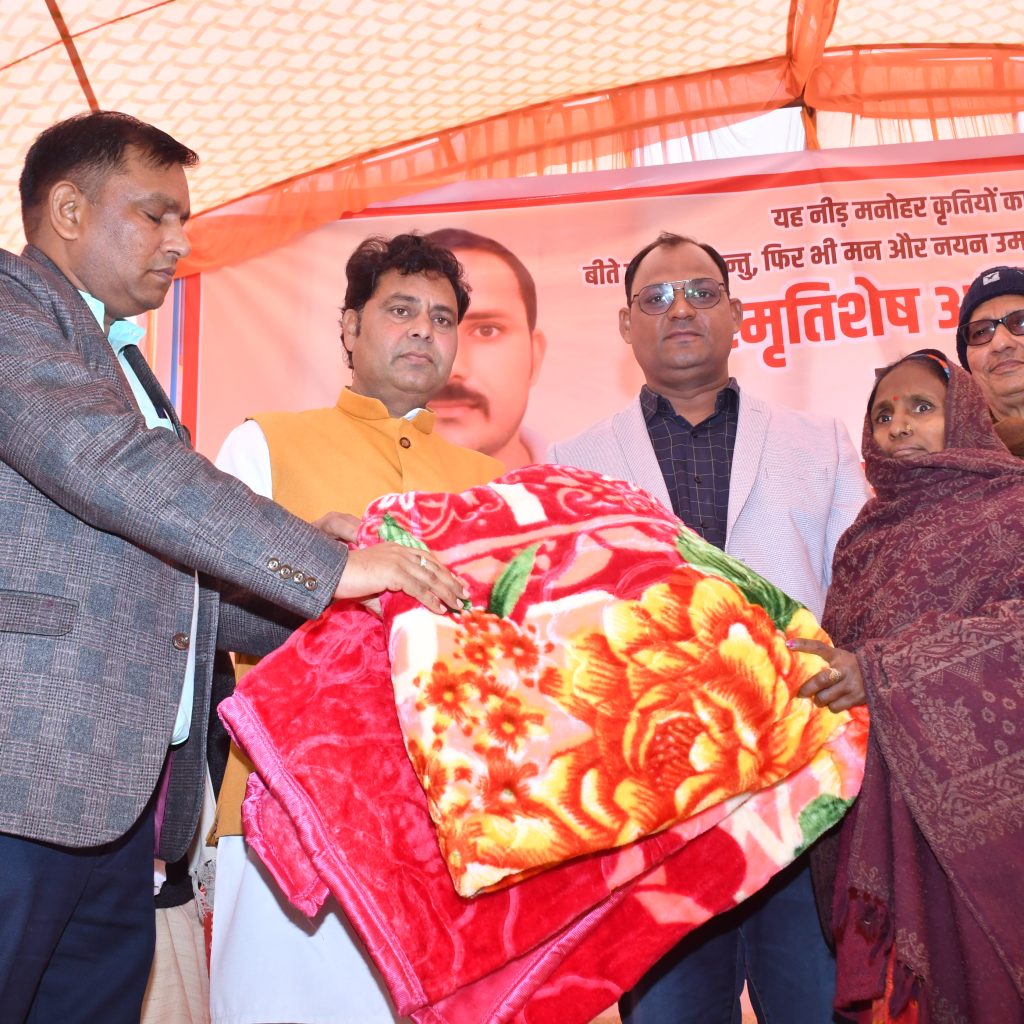
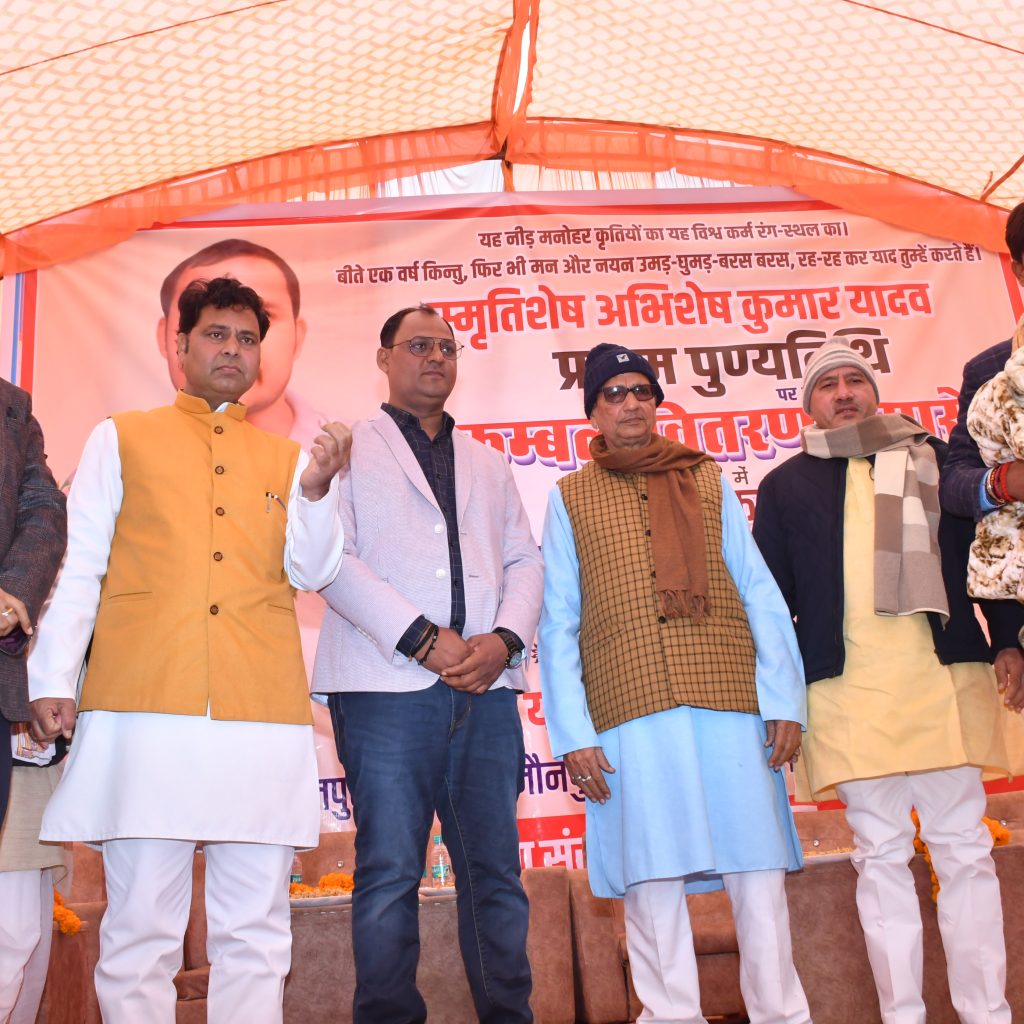
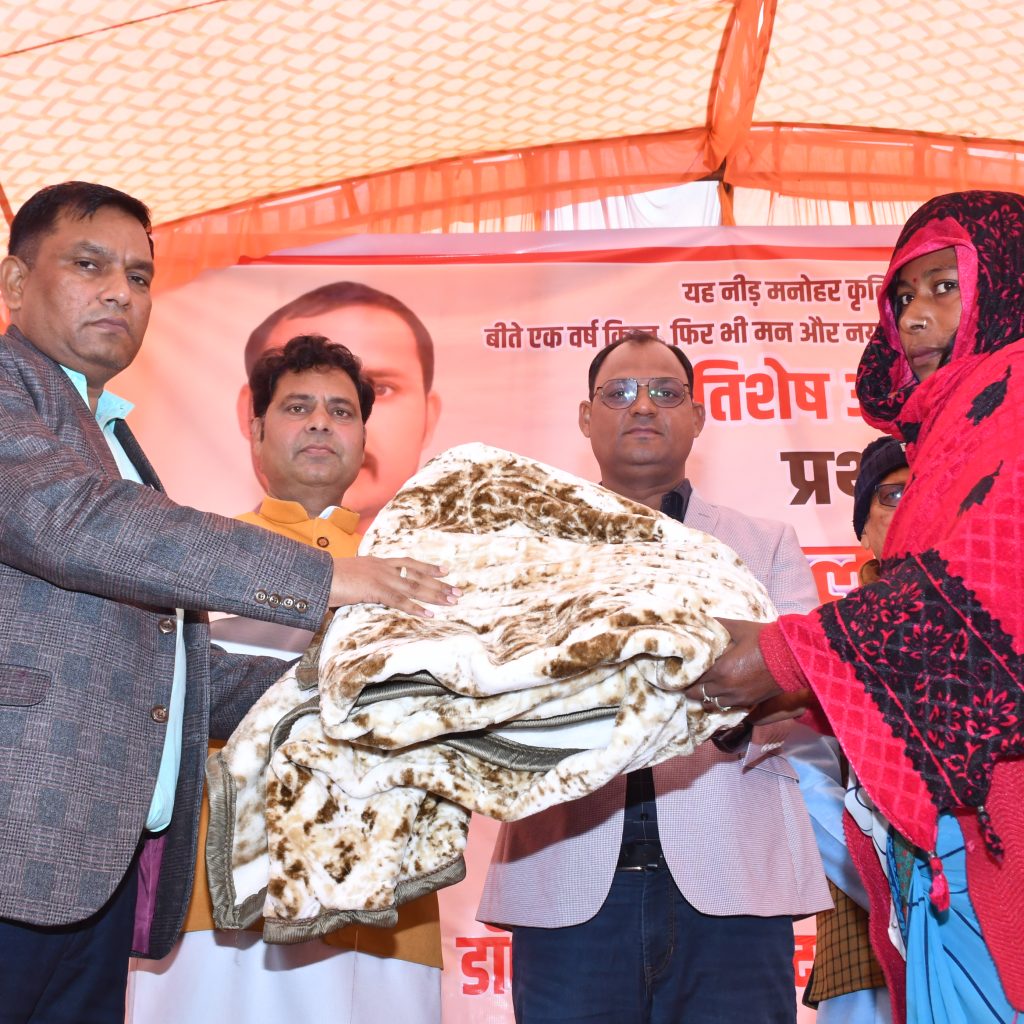
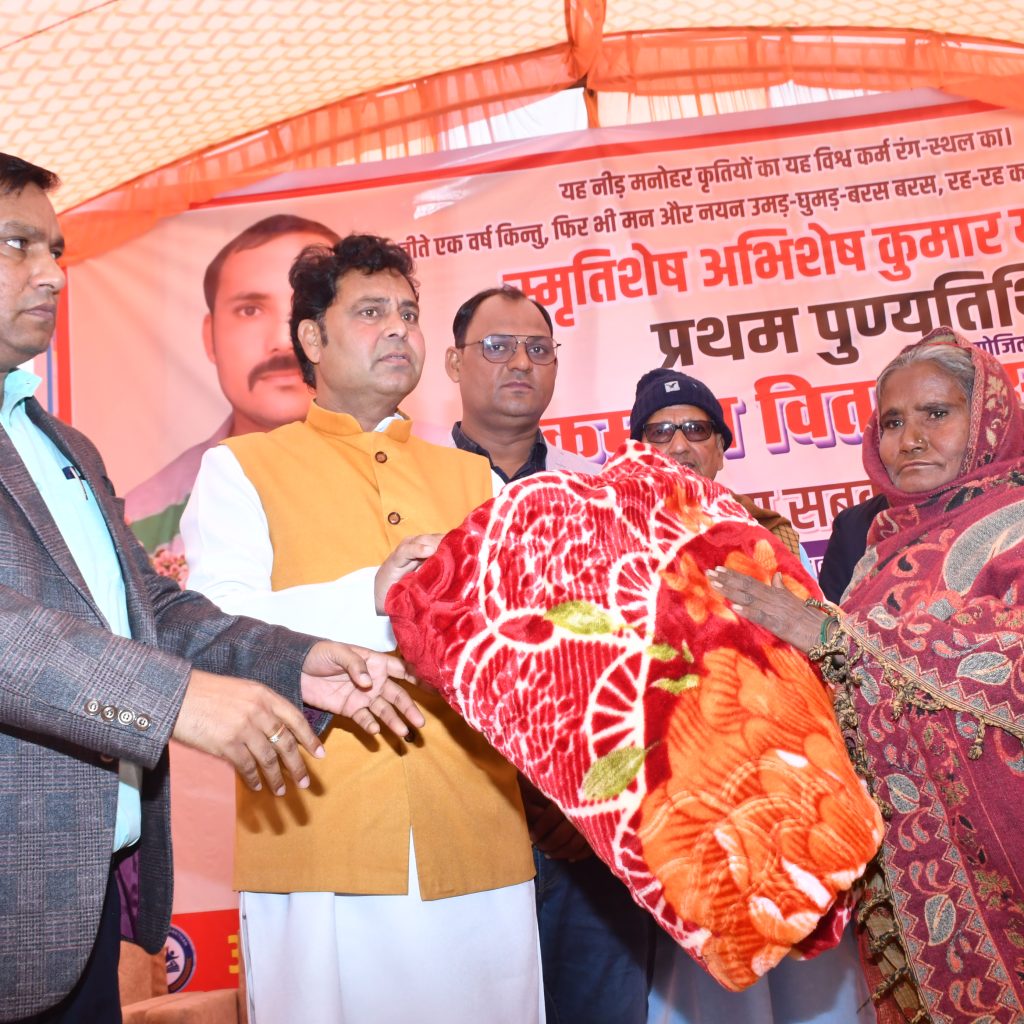
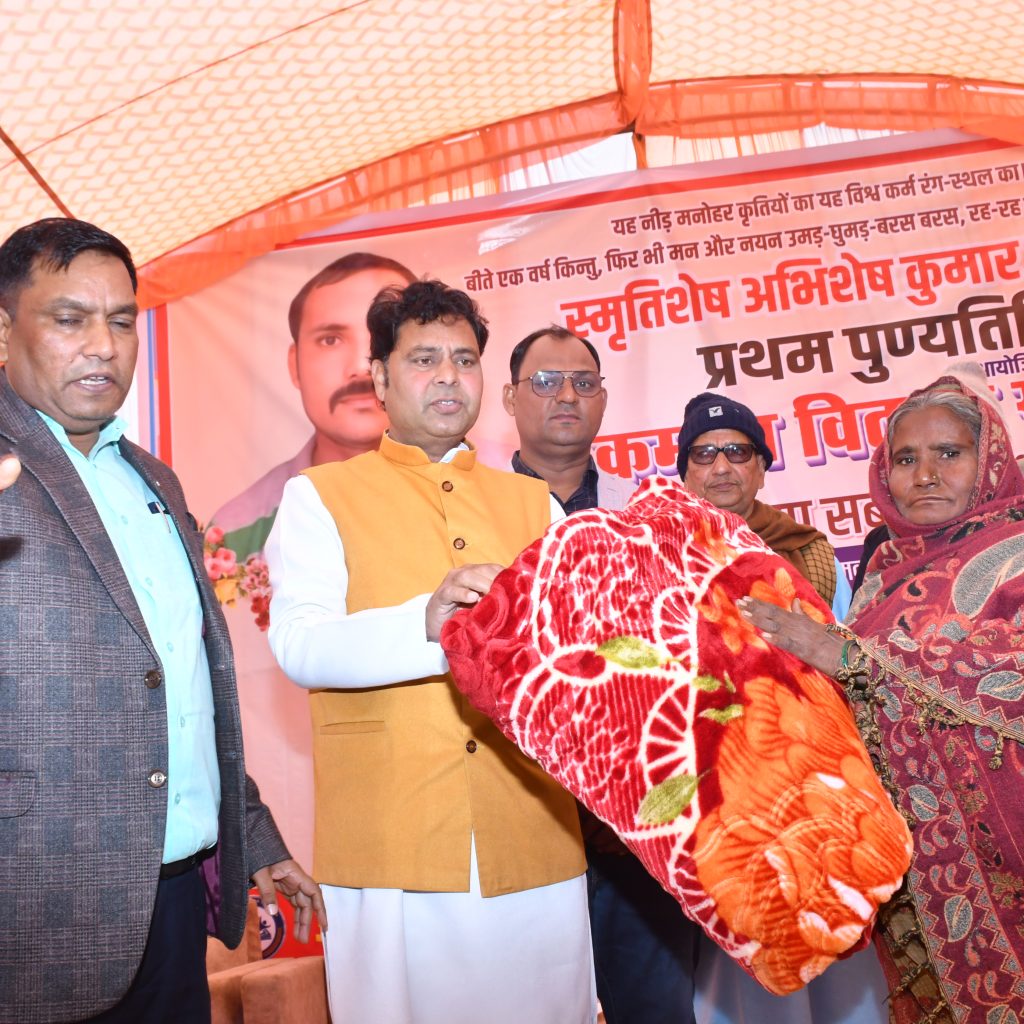

Ayush Janseva Sanstha was started with the objective of creating and delivering high impact and focussed programs to the underprivileged sections of the society in the areas of healthcare, education and socio-economic development.
Don’t miss our future updates! Get Subscribed Today!
©2025. All Rights Reserved By PitasysSoftwareSolutions.